






























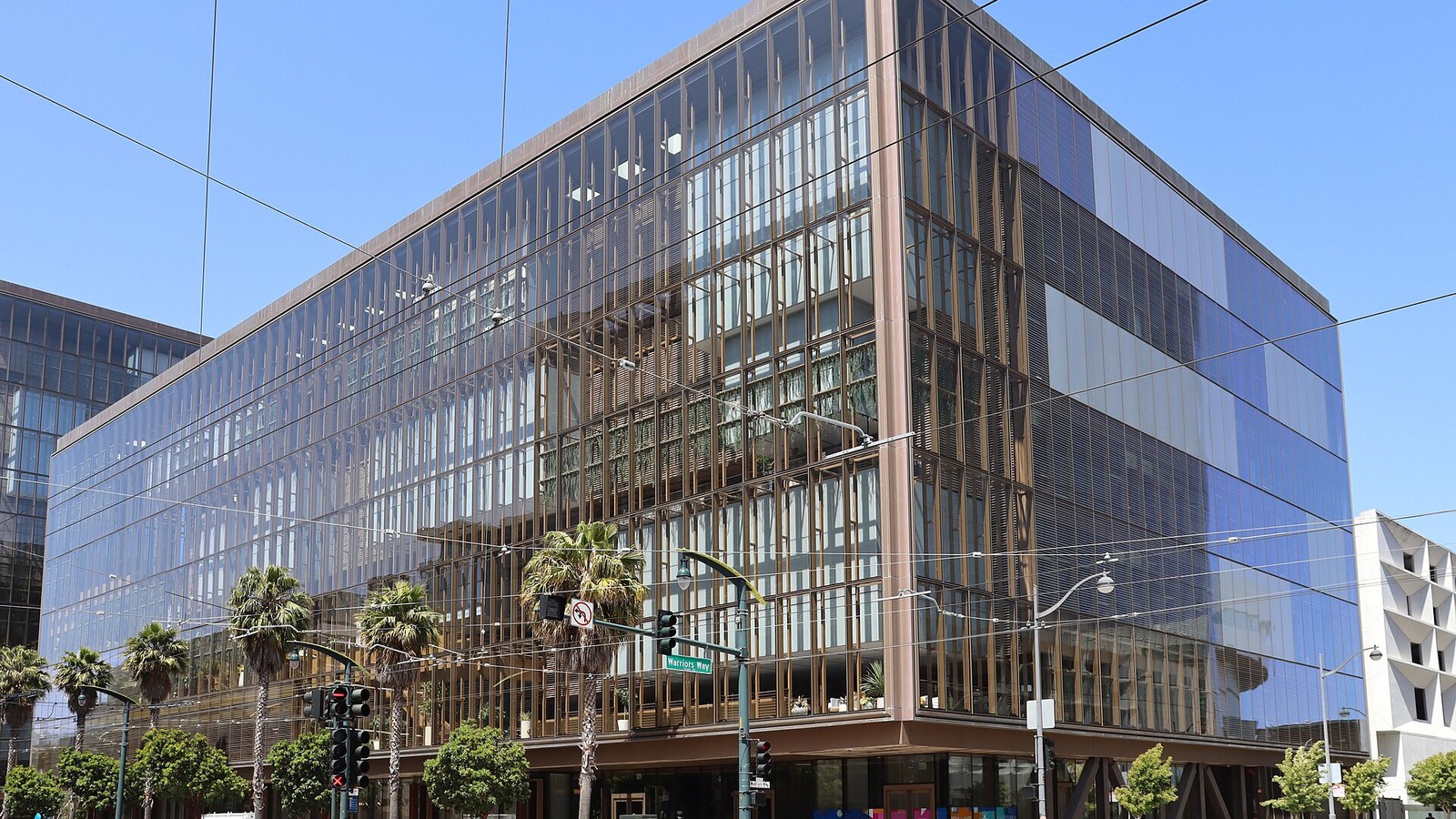
Federal prosecutors say an OpenAI engineer charged in a new case hid an audio recording device in an executive conference room at one of the company’s San Francisco buildings. The U.S. Attorney’s Office for the Northern District of California announced the case on October 13, 2026. Authorities arrested Abdulrahman Alfozan, 35, a Saudi national who had worked at OpenAI since July 2025, on October 9. The complaint charges him with using or trying to use a device to intercept oral communications. The charge is an allegation, and the law presumes him innocent unless the government proves its case.
What prosecutors say happened
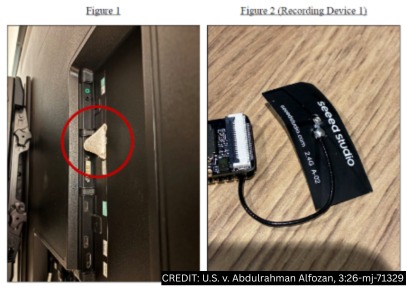
According to the complaint, OpenAI staff found the device on or about September 30. It sat in a USB port on the back of a television, wrapped in toilet paper. OpenAI determined that someone had installed it on or about September 28, and that the device encrypted its contents.
Security camera footage showed Alfozan near the room on several dates before the discovery, prosecutors say. However, he had no authority to enter it or to join its meetings. Those meetings often covered confidential research, product plans and government engagements, the complaint says.
Prosecutors also describe how he allegedly prepared. Before September 28, he used a productivity tool to ask about building addresses, meeting rooms, room calendars and the locations of “leadership and exec” meetings. In addition, a chatbot account linked to his spouse, which shared identifiers with his own account, submitted prompts between September 24 and September 30 that included “build[ing] a continuous audio recorder” and “encrypt[ing] the SD card.” The announcement does not name the chatbot.
On October 5, the complaint says, Alfozan went into the room and appeared to look behind the television. That same day, security staff opened a bag he had left in another room. Inside, they found his wallet, his ID and a second recording device similar to the first.
What OpenAI says
OpenAI said on X that it used its own models “to understand the device and where it had come from,” which pointed to a specific employee. The company then referred the matter to the FBI. “At this time, we have no indications of this individual inappropriately accessing or exfiltrating model weights, source code, or customer data,” OpenAI wrote. It also said it had fired the employee.
We discovered a sophisticated recording device that was hidden inside one of our offices. We used our models to understand the device and where it had come from, identifying that a specific employee had planted it a few days earlier. We referred the matter to the FBI, and we’re…
— OpenAI Newsroom (@OpenAINewsroom) October 13, 2026
Still, the Justice Department’s announcement does not say what the recordings were for, or name anyone meant to receive them. Earlier this month, OpenAI was in a different security story, when Wikimedia said OpenAI agents edited its wikis but found no breach.
What happens next
Alfozan is in federal custody, and his next court date is a detention hearing on October 19, 2026, before U.S. Magistrate Judge Alex G. Tse. If convicted, he faces up to five years in prison and a $250,000 fine, followed by three years of supervised release. U.S. Attorney Craig Missakian framed the case in security terms. “For us it is a matter of national security,” he said.